Small Carpentry Repairs That Can Prevent Bigger Home Damage

In Northern Utah, moisture and loose hardware can turn minor carpentry defects into bigger repairs. This guide covers exterior trim, sticking doors, deck boards, and swollen baseboards. For finish work, see our baseboard and casing services.
💡 Pro Tip: Small gaps and deteriorated sealant deserve inspection, especially after Northern Utah’s winter freeze-thaw cycles and summer sun. Not every crack causes a leak, but identifying and addressing the underlying cause early can help protect exposed wood.
Exterior Trim, Fascia, and Soffit Maintenance
Exterior trim, fascia boards, and soffits help protect vulnerable roof and wall edges from weather. Blistered paint, failed sealant, or soft wood can signal moisture exposure. Water damage may spread behind trim if the source is not addressed, but the extent of any concealed damage needs inspection rather than assumptions based on appearance.
From a safe location, inspect visible roofline trim and window headers for peeling paint, failed joints, or soft wood. In Weber and Davis counties, snow and ice can expose roofline trim to prolonged moisture.
- ✅ Soft or spongy fascia boards: Look for visible deterioration from a safe location. Do not probe roofline wood from a ladder or assume gutter fasteners are secure; have questionable fascia and gutter attachments assessed.
- ✅ Gapping caulk joints: Inspect seams where siding meets window casings or corner boards. Failed sealant can be a moisture-entry clue, but flashing and drainage details also matter; avoid sealing designed drainage openings.
- ✅ Peeling paint on trim edges: Exposed end grain can absorb moisture, so peeling paint may warrant checking for dampness and repairing the coating after the wood is dry.
- ✅ Soffit separation: Loose or missing soffit panels can leave openings that pests may use. Have damaged sections and nearby ventilation details checked before repairs.
Before sealing exterior trim, identify the water-entry point. Failed flashing cannot be repaired with caulk alone; some problems require removing trim or siding to inspect the underlying assembly.
Door Jambs, Sills, and Weatherstripping Adjustments
Doors may stick because of worn hinges, humidity, or movement at the opening. Check the cause before forcing the latch or threshold. Our door and window services cover installation, sealing, and trim work.
A rubbing door or leaking threshold can damage nearby flooring. If the cause is unclear, request a repair assessment or call (385) 430-7420 before replacing parts.
Sticking and Rubbing
Loose hinges or worn hardware can make a door rub. Check alignment first; if the opening has shifted or the latch fails, arrange an assessment rather than forcing the door.
Worn Door Bottom Sweeps
Damaged sweeps may allow drafts or wind-driven moisture at the threshold. Check the threshold, drainage, and weather seals before replacing components.
Rotten Exterior Brickmould
Repeated splashback can deteriorate the lower ends of exterior casings. Repair options depend on how far the damage extends; replace unsound material and address the moisture source.
Baseboards, Trim, and Interior Moisture Clues
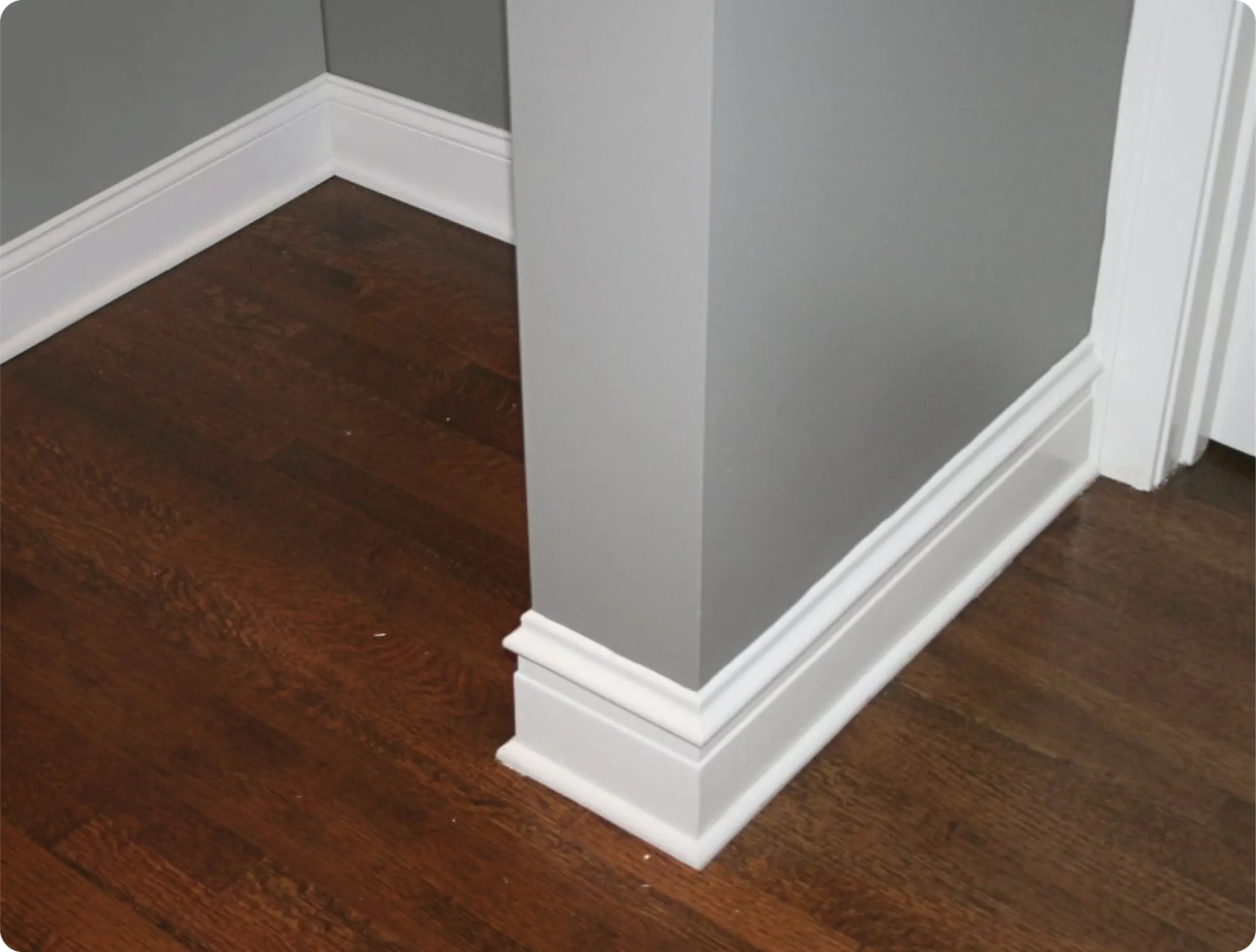
Swollen or stained baseboards near bathrooms, laundry rooms, or kitchens may signal spills, condensation, or leaks. Identify the source and assess adjacent materials before replacing trim.
✨ Did you know: MDF baseboards often swell when exposed to water and may need replacement. Swelling near showers, tubs, or dishwashers is a reason to check for spills, humidity, plumbing leaks, and failed seals—not proof of a hidden wall leak.
During rental turnover or renovations, correct the moisture source and dry affected materials before replacing trim. Staining alone does not justify opening a wall. Persistent dampness or deterioration warrants evaluation of nearby wall and floor materials before finishing.
Deck, Porch, and Pergola Carpentry Checks
In Ogden, Layton, and Bountiful, seasonal moisture can affect exposed decks and stairs. Inspect from a safe location; keep people off unstable structures until they are assessed.
Critical Outdoor Carpentry Checkpoints
- ✅ Raised Deck Fasteners: Protruding screws or nails can be trip hazards. Check whether the decking and supporting wood are sound before choosing an appropriate replacement fastening method.
- ✅ Splitting Stair Treads: Cracked or deteriorated treads can create a fall hazard. Keep people off affected stairs until the treads, stringers, fasteners, and supporting connections have been assessed and repaired as needed.
- ✅ Wobbly Railing Posts: Movement can indicate failed connections or deteriorated supporting wood. Keep people away from an unstable guardrail and arrange a qualified assessment rather than assuming bolts only need tightening.
- ✅ Rotting Pergola Rafter Tails: Exposed end grain can absorb moisture, but visible deterioration does not establish how far decay extends. Have damaged members evaluated before cutting or treating them; repairs must account for the member’s structural role and the source of moisture.
Comparing Small Carpentry Fixes to Major Structural Repairs
Distinguishing routine cosmetic repairs from damage that may affect structural components helps property owners prioritize inspections and plan appropriate repairs:
When DIY Carpentry Reaches Its Limits
Simple cosmetic fixes may be DIY projects, but structural movement, active leaks, and work near utilities warrant professional assessment.
Call a professional handyman or licensed contractor when you observe any of the following conditions:
- ⭐ Bowing or Sagging Support Beams: New or worsening deflection in joists, beams, or rafters may signal structural damage. Keep people clear and seek a qualified assessment.
- ⭐ Visible Mold or Persistent Musty Odors: Investigate and correct the moisture source. Significant or recurring growth, concealed contamination, or conditions affecting vulnerable occupants may warrant assessment by a qualified remediation professional.
- ⭐ Extensive Dry Rot Near Foundation Sills: When sill plates or rim joists are deteriorated, the repair may require a structural assessment, engineered support, and qualified tradespeople rather than a routine trim repair.
- ⭐ Electrical or Plumbing Congestion: Repairing damaged wood framing adjacent to electrical panels, gas lines, or plumbing stacks requires specialized care to prevent utility damage.
A Simple Carpentry Inspection Checklist
Photograph problem areas and record when they occur before requesting an estimate.
- Check from a safe location: Look for gaps, soft or peeling trim, water stains, loose deck fasteners, and doors that no longer latch correctly. Avoid climbing onto roofs or testing unstable railings.
- Record when it happens: Note whether sticking or water staining appears after storms, snowmelt, or changes in indoor humidity.
- Look for the source: Inspect accessible gutters, downspouts, thresholds, and plumbing fixtures without removing structural components.
- Prioritize safety: Keep people away from unstable stairs or railings, active leaks near electrical equipment, and visibly sagging framing until qualified help is available.
- Request a defined scope: Ask whether the estimate includes diagnosing moisture, replacing unsound material, finishing, and disposal.
Frequently Asked Questions
How can I tell if exterior wood rot is cosmetic or structural?
Softness, crumbling fibers, persistent dampness, or movement can indicate deterioration, but there is no reliable screwdriver-depth rule for distinguishing cosmetic damage from structural rot. Avoid probing or disturbing a potentially load-bearing member; have a qualified professional evaluate posts, stringers, headers, and other structural components.
Can rotted wood simply be filled with wood filler or epoxy?
Wood fillers or repair epoxies may be appropriate for limited, non-structural damage to decorative trim after the moisture source has been corrected and the remaining material is sound. They are not substitutes for evaluating deteriorated load-bearing framing, deck posts, or structural connections. A qualified professional should determine the appropriate structural repair method.
Why do doors stick seasonally?
Humidity can change door fit. Persistent sticking or movement deserves inspection.
Protect Your Northern Utah Home with Hubbell Handyman & Hauling
If you have loose trim, sticking exterior doors, or deteriorating deck boards, an early assessment can help determine whether the repair is straightforward or whether underlying damage needs attention. Hubbell Handyman & Hauling helps homeowners, landlords, and property managers throughout Ogden, Weber County, Davis County, and surrounding communities keep properties safe, solid, and functional.
For an assessment of trim, doors, or exterior woodwork, contact Hubbell Handyman & Hauling or call (385) 430-7420.