
How to Spot and Repair Loose Interior Door Hinges in Northern Utah

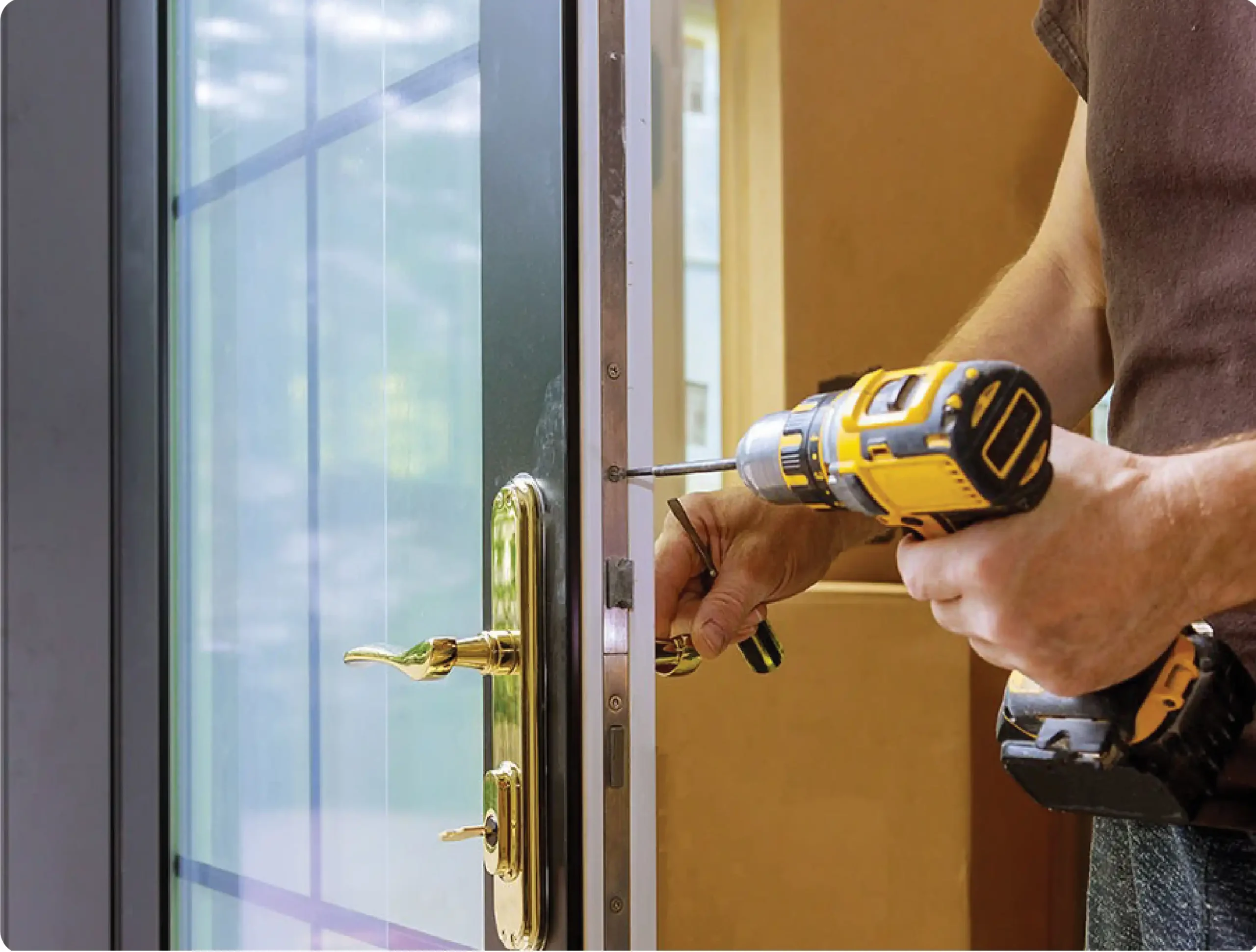
Northern Utah living brings a wonderful mix of changing seasons, from heavy winter snows in places like Logan and Ogden down to hot, dry summer days in Salt Lake City and Provo. While these seasonal shifts give residents incredible access to the outdoors, they also subject our homes to significant temperature swings and humidity changes. Wood building materials expand and contract constantly throughout the year. One of the most common early warning signs of this seasonal movement is a loose interior door hinge. When a door starts sagging, scraping against the floor, or refusing to latch properly, homeowners often assume the door itself has warped or the frame has shifted out of square. In most cases, however, the culprit is simply a set of loose screws or worn-out screw holes in the door jamb.
Fixing a loose interior door hinge is a straightforward DIY project that requires only basic household tools, but doing it correctly matters. If you live along the Wasatch Front or in Cache Valley, understanding how local climate dynamics affect your woodwork will help you choose the right repair method the first time. Whether you want to tackle this weekend project yourself or need professional support from local specialists like Hubbell Handyman & Hauling, catching hinge problems early prevents permanent damage to your doors and frames.
How to Spot Loose Interior Door Hinges Early
Catching a loose hinge before it causes major damage saves you time, frustration, and money. Many Northern Utah homeowners only notice a problem when a heavy solid-core bedroom or bathroom door refuses to close, but the warning signs start much earlier. Learning to spot these subtle indicators helps you perform quick preventative maintenance.
First, pay attention to the sound and feel of your doors during daily operation. A door that rubs slightly against the top or bottom of the frame when closing is often dealing with a sagging hinge. As the screws pull away from the wood jamb, gravity takes over, causing the weight of the door to tilt downward on its pivot point. If you notice a faint scraping sound on your hardwood or carpet, check the top hinge immediately. That is almost always where the failure begins.
Second, visually inspect the hinge plates and screw heads. Open and close the door slowly while observing the gap between the door and the frame. If you see the hinge leaf pulling away from the wood edge or shifting sideways even a fraction of an inch when the door moves, the fasteners have lost their grip. You can also press gently on the door near the handle while it is partially open; if there is noticeable play or vertical wiggle in the hinge knuckles, the hardware is loose.
Finally, check your latch alignment. When hinges loosen, the entire door drops out of square. This causes the latch bolt to hit the strike plate too high or too low instead of sliding smoothly into the hole. If you find yourself constantly lifting the handle upward to click your doors shut, your strike plate might not be the problem—loose hinge screws are likely throwing off the entire alignment.
Why Northern Utah Homes Experience Unique Door Hinge Issues
The geography and climate of Northern Utah play a surprisingly large role in the lifespan of your interior door hardware. Understanding these environmental factors helps explain why hinges loosen faster in some homes than others, and why standard quick fixes sometimes fail after a single season.
Northern Utah experiences an arid continental climate characterized by very dry summers and cold, snowy winters. Modern homes rely heavily on forced-air heating and air conditioning to manage indoor comfort. During freezing winter months, indoor heating strips moisture from the air, causing wooden door jambs and studs to dry out and shrink. Conversely, spring thaws and summer monsoon patterns can introduce humidity spikes. This constant cycle of shrinking and swelling puts immense physical stress on the metal fasteners embedded in the wood.
Furthermore, residential construction methods across Weber, Davis, Salt Lake, and Utah counties involve high volumes of framing lumber that may continue to season and shift during the first few years after a home is built. As framing studs settle, door openings experience minor torque. Interior doors—especially heavy solid wood or MDF doors popular in modern builds—exert constant leverage on their hinges. Every time a door swings open and shut, the top hinge absorbs pulling force. When combined with wood movement driven by Utah’s dry indoor heating, the screw threads eventually strip out the surrounding wood fibers, leaving the screws spinning freely in their holes.
Tools and Materials Needed for the Repair
Before you begin repairing your interior door hinges, gather your supplies to ensure a smooth, efficient workflow. You do not need specialized contractor tools for this project, but having the right basic items makes all the difference in achieving a permanent fix.
Here is your essential supply checklist:
- Standard Phillips head screwdriver (No. 2 size fits most interior hinges)
- Cordless drill or impact driver (strictly for pre-drilling and driving long replacement screws)
- Wood toothpicks or wooden golf tees (for filling stripped screw holes)
- Wood glue (PVA formula works best)
- Utility knife or chisel
- Longer replacement screws (3-inch wood screws matching your hinge finish)
- A helper or a door wedge to support the weight of the door
Having these items on hand ensures you are prepared for both simple tightening tasks and more advanced stripped-hole repairs.
Step-by-Step Guide to Fixing Loose Hinge Screws
Repairing a loose door hinge ranges from a two-minute fix to a twenty-minute restoration depending on how badly damaged the screw holes are. Follow this systematic approach to evaluate and repair your door.
Step 1: Diagnose the Damage
Start by opening the door and inspecting all screws on both the door leaf and the jamb leaf. Try tightening each screw gently with your hand screwdriver. If a screw tightens down firmly and holds, leave it be. If a screw spins continuously without gaining traction, the wood grain inside the hole has been stripped smooth.
Step 2: Support the Door
If you are removing multiple screws or taking the hinge completely apart to make repairs, support the weight of the door. Slide a wooden wedge or folded cardboard beneath the bottom edge of the door. This prevents the door from sagging further and putting uneven pressure on the remaining attached hinges, which can bend the metal leaves or damage additional screw holes.
Step 3: The Toothpick Method for Stripped Holes
If a screw spins freely, you must give the wood new material for the threads to bite into. This is where the classic toothpick trick shines:
- Remove the loose screw and set it aside.
- Dip three to four wooden toothpicks into a small drop of wood glue.
- Stuff the glued toothpicks tightly into the empty screw hole until it is packed full.
- Allow the glue to set for five to ten minutes, then use a utility knife to slice off any protruding wood flush with the surface of the jamb.
- Drive your original screw back into the packed hole. The screw will bite securely into the new wood and glue mixture, creating a strong, lasting hold.
Step 4: The Long-Screw Method for Maximum Holding Power
Many builders install short half-inch screws in interior door hinges. While these hold a brand-new door in place, they only anchor into the thin door jamb casing rather than the sturdy framing stud behind it. To make your repair virtually indestructible:
- Remove the single center screw from the hinge attached to the door jamb.
- Purchase a 3-inch wood screw that matches the color and finish of your existing hinge hardware.
- Drive the long 3-inch screw through the empty hole. As it tightens, it will pass straight through the jamb and bite deep into the solid framing stud hidden behind the drywall.
- This single modification transfers the entire weight of the door from the hollow jamb directly to the structural framing of your home, helping reduce sagging when the framing and fastener are suitable.
Troubleshooting Common Hinge Repair Challenges
Even with careful preparation, DIY repairs can sometimes encounter unexpected hurdles. Knowing how to handle these edge cases ensures you do not get stuck halfway through a project.
If you encounter a door frame that has suffered splitting or severe wood rot due to historical moisture exposure near entryways or bathrooms, simple filler methods will not hold. In such instances, cutting away damaged sections and splicing in fresh lumber or replacing the jamb assembly is necessary to restore structural integrity.
Preventative Maintenance Tips for Northern Utah Homeowners
Once your interior doors swing true and latch securely, taking a few simple preventative steps will keep them performing flawlessly for years to come. Maintenance is especially important in Northern Utah due to the extreme climate cycles.
Inspect your interior doors once a year, ideally during your fall or spring home maintenance routine. Grab the handle of each interior door and test for vertical play. Tighten any hinge screws that show early signs of loosening before the wood strips out completely. A proactive turn of the screwdriver takes seconds and prevents major headaches.
Additionally, lubricate your hinges annually. Dust, pet hair, and microscopic drywall debris accumulate in hinge knuckles over time, increasing friction when doors open and close. Apply a small drop of lightweight machine oil, white lithium grease, or silicone spray to the hinge pins. Wipe away any excess oil with a clean cloth to protect your paint and woodwork. Avoid using heavy cooking oils or sticky lubricants that attract dust and create a gummy buildup.
Finally, monitor your home’s indoor humidity levels during winter. Running a whole-home humidifier or portable units helps maintain stable moisture levels, reducing the extreme wood shrinkage that stresses door frames throughout the coldest months of the year.
Need Professional Handyman Services in Northern Utah?
From stubborn doors and loose hinges to general home repairs, our experienced local team is ready to help.