Winter Weatherstripping Checklist for Northern Utah Homes

Cold air around a front door or window can make a Northern Utah home uncomfortable long before winter reaches its coldest days. Weatherstripping is one of the first things to inspect when you notice drafts, rattling doors, or daylight around an entry. The right repair depends on where the air enters and whether the door or window still closes properly.
Hubbell Handyman & Hauling helps homeowners with window and door repairs, installation, and sealing. For an estimate in our Northern Utah service area, call (385) 430-7420 or contact us online.
Why Drafts Show Up During Utah Winters
Weatherstripping compresses each time a door closes. Over time, some materials flatten, tear, detach, or become brittle. A door can also shift slightly on its hinges or stop lining up with the threshold. Even new seals may perform poorly if the door is misaligned.
Utah’s seasonal temperature changes make these small gaps more noticeable. Wind can push cold air through an opening, while heated indoor air escapes. Before buying replacement strips, locate the actual gap and check whether the problem is a worn seal or a door that no longer fits the opening correctly.
Step 1: Inspect the Entire Door Perimeter
Begin with the door closed and latched. Look along the top and both sides for visible daylight, torn material, or places where the seal has pulled away. Inspect the bottom edge separately. A damaged sweep or poorly adjusted threshold can leave a significant gap even when the side seals are intact.
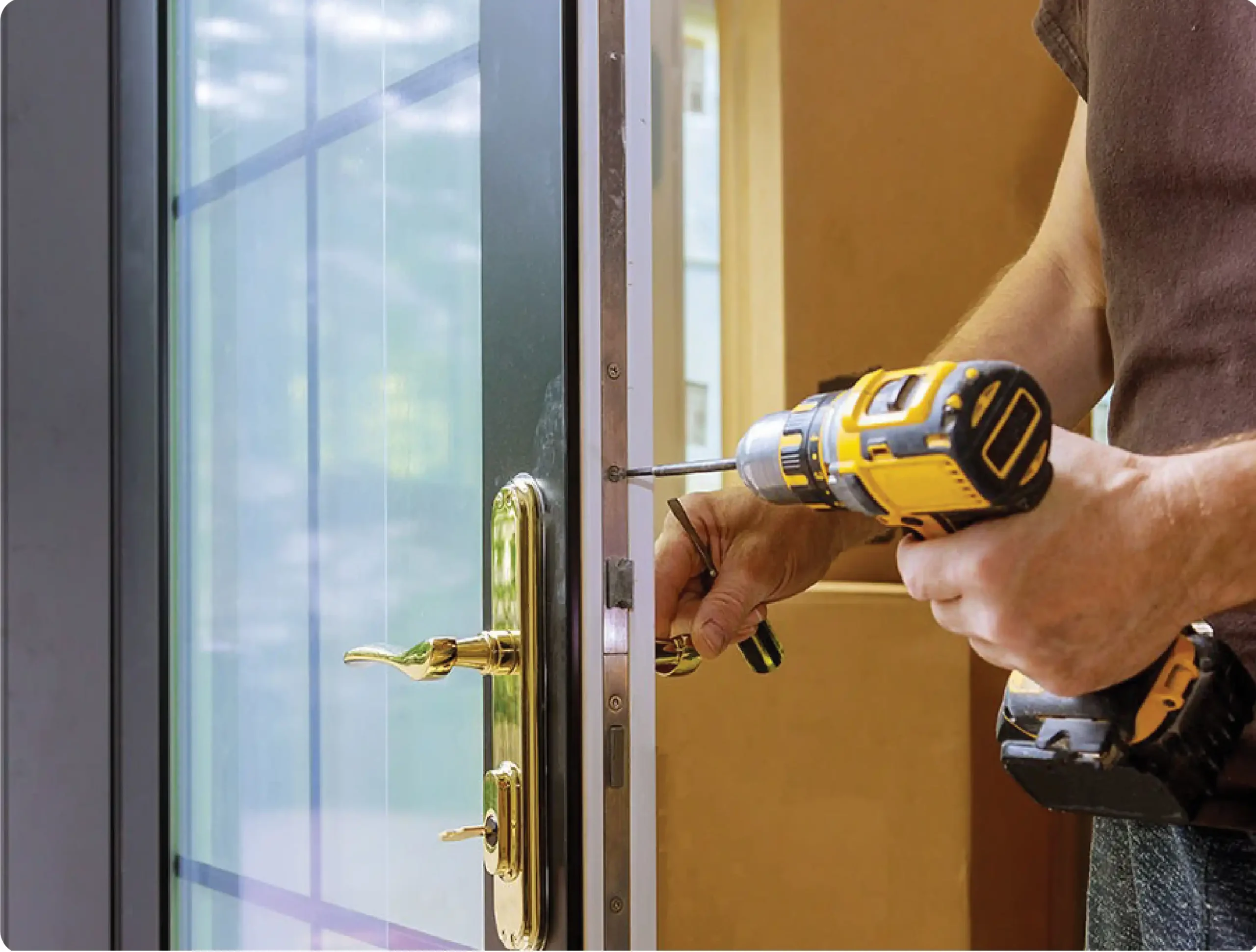
Open the door and examine the hinges, latch, and strike plate. A loose hinge may let the door sag and rub at one corner while leaving another corner exposed. Tightening suitable loose fasteners may help, but stripped screw holes, damaged framing, or a warped slab need a more deliberate repair.
If the door needs more than a new strip, Hubbell can assess related door installation and weatherproofing work. Call (385) 430-7420 to describe the problem.
Step 2: Check the Door Sweep and Threshold
The sweep is the seal near the bottom of the door. Depending on the door, it may attach to the face, fit into a channel, or form part of the bottom assembly. Look for cracked fins, loose screws, or material that no longer touches the threshold evenly.
A threshold may be adjustable, but do not raise it so far that the door binds or becomes difficult to open. A properly fitted door should close and latch without excessive force. Exterior doors also need to manage rain and melting snow, so sealing details must not trap water where it can damage the frame or floor.
Step 3: Look at the Jamb Seals
Compression seals along the jambs should meet the closed door consistently. A section that is flattened or missing may allow air through. If the existing material fits into a manufacturer-specific groove, replacement should match that system rather than being forced into place.
Adhesive-backed strips are useful in some applications, but they need a clean, dry surface and the correct thickness. Too-thick material can prevent the latch from engaging. Too-thin material may leave the original gap. Test the door after every adjustment rather than replacing all seals blindly.
Step 4: Check Windows Without Blocking Drainage
Windows can leak air where a movable sash meets its frame or where trim and surrounding construction have gaps. Check whether the sash closes and locks fully. Inspect accessible seals for deterioration and note any drafts around the casing.
Do not fill window weep holes or drainage channels with caulk or foam. These openings help certain windows drain water. If you see water staining, swollen trim, or condensation between sealed glass panes, weatherstripping alone may not address the underlying problem.
Damaged interior casing can be evaluated as part of Hubbell’s window and door trim services. The goal is to correct the air or moisture path before covering cosmetic damage.
A Practical Winter Weatherstripping Checklist
- Close and latch each exterior door and look for visible perimeter gaps.
- Inspect door sweeps and thresholds for wear, movement, and uneven contact.
- Check whether hinges and latch hardware hold the door squarely.
- Look for crushed, torn, or detached weatherstripping.
- Check window locks, sash alignment, and accessible perimeter seals.
- Note moisture, peeling paint, or swollen wood that may indicate water intrusion.
- Keep drainage openings, exhaust outlets, and required ventilation clear.
- Test each repaired door or window for normal operation before finishing.
A simple visual inspection can identify obvious trouble spots. If you are unsure about a gap or cannot reach the area safely, have it inspected rather than climbing or disassembling hardware without a plan.
How to Find a Draft Safely
On a windy day, slowly move your hand near the inside edge of a closed door or window and note where the air feels cooler. A tissue held near an opening may help reveal air movement. Keep loose materials away from heaters, flames, and moving machinery. Never use an open flame to test for drafts.
Remember that a cool surface does not always mean an air leak. Glass and metal can feel cold even when the window is sealed. A professional evaluation may be useful when the source is unclear or several rooms are affected.
When Weatherstripping Is Not Enough
Replacing a seal cannot correct every problem. A sagging door, rotted sill, damaged threshold, poorly fitted replacement window, or failed exterior flashing may require carpentry or installation work. Painting over wet trim or applying sealant over damaged material can conceal the problem without stopping it.
Hubbell’s broader handyman services include home repairs and finish work that can accompany door and window projects. For a clear scope, describe whether you are noticing air movement, water, sticking hardware, or visible damage.
Safety: Do Not Seal Every Opening
Air sealing should never block a required combustion-air opening, appliance vent, exhaust outlet, or other ventilation provision. Homes with fuel-burning equipment need appropriate ventilation and safe operation. If you suspect a gas leak, carbon monoxide issue, or unsafe heating equipment, leave the area as appropriate and contact emergency or qualified service personnel rather than attempting a weatherstripping fix.
Also avoid making a door so tight that occupants struggle to open it. Exterior exits must remain usable. A good repair improves comfort while preserving safe operation and proper drainage.
Frequently Asked Questions
Should I replace every door seal at once?
Not necessarily. Inspect each seal and the door alignment first. Replacing a damaged section or correcting the fit may be more appropriate than replacing everything.
Will weatherstripping fix a door that sticks?
Not always. A sticking door may be misaligned, swollen, or affected by damaged hardware. Adding thicker weatherstripping can make the problem worse.
Can I caulk around a window to stop a draft?
Some stationary joints may need appropriate sealing, but movable parts and drainage channels must remain functional. Identify the source and follow the window manufacturer’s guidance.
Where does Hubbell Handyman work?
Our primary service area covers Weber, Davis, Morgan, and Box Elder County communities, including Ogden, Riverdale, Layton, Syracuse, Farmington, Brigham City, and south to North Salt Lake. Other projects are considered by arrangement.
Get Your Doors and Windows Ready for Winter
Cold drafts often start with small gaps, but lasting repairs depend on sound doors, windows, hardware, and trim. Hubbell Handyman & Hauling can assess weatherstripping and related repair needs and help you decide what should be adjusted, sealed, or replaced.
Call (385) 430-7420 or request a free estimate online for your Northern Utah home.