
De-cluttering After a Major Remodel

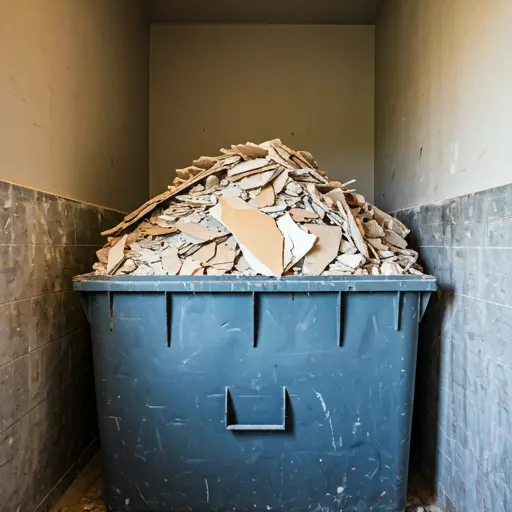
Finishing a major home remodel across Northern Utah—whether you have just wrapped up a historic home update in Ogden, a kitchen transformation in Davis County, a basement finish in Weber County, or a custom build near the Ogden Valley and Box Elder County—brings an incredible sense of accomplishment. Seeing your newly designed space come to life is deeply rewarding. However, once the dust settles and the contractors pack up their tools, homeowners are almost always left facing a daunting reality: massive piles of leftover debris, stray packaging, dust coating every surface, and leftover materials taking up valuable living space.
Efficiently managing post-construction waste without the stress is the ultimate key to reclaiming your home. A disorganized post-remodel cleanup can easily turn a joyful housewarming into an overwhelming second job. From separating construction debris and sorting reusable materials to planning a dumpster rental versus scheduling a full-service hauling company, keeping your property safe and orderly requires a strategic approach. In this comprehensive guide, we will break down practical, stress-free ways to handle de-cluttering after a major remodel, tailored specifically for homeowners throughout Northern Utah.
Assessing the Scope of Your Post-Remodel De-cluttering Project
Before you lift a single cardboard box or sweep up a pile of drywall dust, take a moment to walk through your newly remodeled spaces. Grab a clipboard, make a detailed inventory of what needs to be removed, and establish a clear timeline. Remodel debris is rarely uniform; it typically consists of a chaotic mix of heavy masonry, jagged scraps of wood, sharp metal fasteners, delicate packaging, and fine dust that has settled into every creach and corner.
By categorizing your waste early on, you prevent double-handling and save yourself hours of frustration. Create distinct mental or physical zones in your yard or driveway for different types of materials. A structured assessment helps you determine whether you can manage the cleanup with a small trailer or if you need professional assistance to haul away heavy, awkward loads safely.
Separating Construction Debris and Managing Waste Safely
One of the most common mistakes homeowners make during post-remodel cleanup is tossing everything indiscriminately into a single pile or dumpster. Proper sorting is essential for safety, efficiency, and responsible disposal. Construction waste generally falls into a few distinct categories that require separate handling:
Heavy Masonry and Tile
Broken bricks, concrete chunks, ceramic tiles, and drywall scraps are extremely heavy. Keep these separate so containers or vehicles do not exceed weight limits.
Lumber and Wood Scraps
Dimensional framing lumber, plywood offcuts, and molding pieces. Watch out for protruding nails, screws, and staples that can cause injury or puncture tires.
Packaging and Soft Materials
Cardboard boxes from new appliances and fixtures, plastic sheeting, foam insulation, and packing peanuts. Flatten these immediately to maximize space.
Keeping these materials separated protects your family and keeps your workspace compliant with general safety standards. Sharp objects should never be left loose in trash bags where they can easily poke through and injure someone.
Sorting Materials: What Can Be Donated, Reused, or Recycled?
Not everything left over after a construction project is pure waste. Major remodels frequently generate surplus materials that are still in pristine or highly functional condition. Sorting through your leftover items with an eye toward sustainability can save you disposal fees and benefit local community projects.
Look closely at your surplus inventory. Unopened boxes of luxury vinyl plank flooring, unbroken ceramic or porcelain tiles, extra trim pieces, and functional light fixtures or cabinet hardware are often prime candidates for donation or reuse. Many regional non-profit organizations, community theater groups, and architectural salvage programs gratefully accept clean, usable building supplies.
Metal scraps, copper piping remnants, and clean untreated wood can also be recycled through specialized local facilities rather than taking up precious space in standard landfills. Taking time to sort your salvageable goods turns a messy chore into an eco-friendly win.
Planning: Dumpster Rental vs. Professional Hauling Service
When deciding how to physically clear out your post-remodel debris, you generally have two primary options: renting a roll-off dumpster or hiring a dedicated local hauling service. Each approach has distinct advantages depending on the scale of your project and your schedule.
If you choose a dumpster rental, make sure it is placed on a stable surface like concrete or asphalt to prevent lawn damage. If you prefer to skip the heavy lifting, aching joints, and multiple trips, bringing in a professional hauling team ensures the mess disappears in a single streamlined visit.
Protecting Floors, Walls, and Pathways During Cleanup
It is heartbreaking to complete a pristine kitchen or bathroom remodel only to scratch your brand-new hardwood floors or gouge newly painted drywall while dragging out heavy debris bins. Post-remodel cleanup requires just as much surface protection as the construction phase itself.
Before moving any heavy items out of the house, establish clear, protected pathways. Lay down heavy-duty ram board, reinforced construction paper, or thick canvas drop cloths across all transitional areas. Secure the edges with painter’s tape to prevent slipping. If your hauling route involves tight corners or narrow doorways, wrap vulnerable doorframes and stair banisters in foam padding or corrugated cardboard.
Always wear sturdy, closed-toe work boots with thick soles when walking through cleanup zones to protect your feet from hidden nails, glass shards, or jagged metal fragments.
Common Post-Remodel Cleanup Mistakes to Avoid
Navigating post-construction de-cluttering becomes much easier when you know what pitfalls to watch out for. Avoiding these frequent missteps will save you time, money, and property damage:
- Overloading containers: Taping or stacking debris above the rim of a dumpster or truck bed makes transit dangerous and can result in rejected loads or fines.
- Ignoring fine dust: Sweeping drywall dust without a fine-filtration vacuum simply launches microscopic particles into the air, where they resettle on your fresh paint and furniture. Use damp wiping and HEPA filters.
- Neglecting safety gear: Working without gloves, eye protection, and dust masks exposes you to flying splinters, toxic adhesives, and irritating masonry dust.
- Failing to plan truck or trailer weight distribution properly when hauling heavy tile or concrete loads independently.
Frequently Asked Questions About Remodel De-Cluttering
How do I handle fine drywall dust after a remodel?
Drywall dust is extremely fine and standard vacuums will blow it right back into the room. Use a HEPA-filtered vacuum and damp microfiber cloths to systematically wipe down surfaces from top to bottom, changing your rinse water frequently.
What items are typically restricted from standard dumpsters?
Most local disposal facilities and dumpster companies restrict hazardous materials such as wet paint, chemical solvents, asbestos, propane tanks, car batteries, and certain electronics. Always verify prohibited items before loading.
Is it cheaper to haul construction debris myself?
While DIY hauling avoids service fees, factor in the cost of truck rentals, fuel, disposal tipping fees, dump fees, and your own valuable time and physical labor. For heavy or bulky remodels, professional hauling is often surprisingly cost-effective.
Ready to Reclaim Your Remodeled Space?
Let Hubbell Handyman & Hauling take the heavy lifting off your hands. Contact us today for reliable post-construction cleanup and hauling services across Northern Utah.