
Best Flooring Choices for Rentals in Davis and Weber Counties

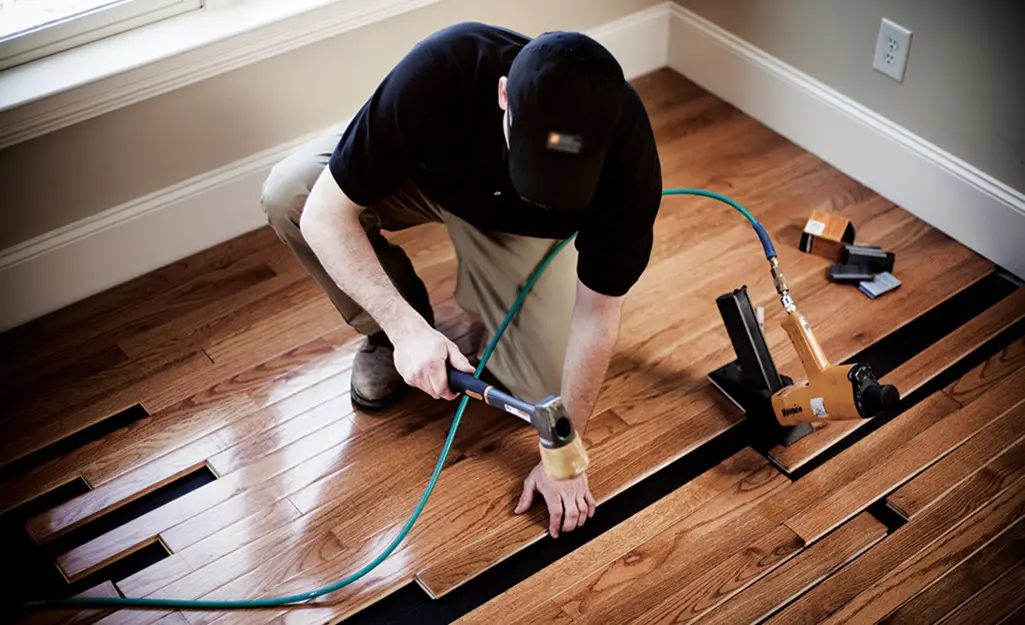
The best flooring for rental properties in Davis and Weber Counties balances durability, water resistance, reasonable material costs, and straightforward repairability. Luxury vinyl plank (LVP) is often a practical choice for living areas and hallways, while porcelain tile can suit bathrooms and entryways, and low-pile carpet may work well in bedrooms where comfort and sound control matter. Choosing the right product protects your cash flow against turnover costs and the winter moisture common along the Wasatch Front.
Rental Flooring Realities Along the Wasatch Front
For rental owners in Ogden, Roy, Layton, or Clearfield, tracked-in snow, slush, and grit can increase entryway cleaning and wear. Pet-friendly rentals may need additional attention to scratches, spills, and odors. Compare each property’s actual traffic and moisture exposure rather than assuming every room needs the same flooring. If you are choosing floors for a home you live in, see our options for owner-occupied homes.
Some older rentals may have uneven subfloors or basement moisture concerns. Before selecting flooring, inspect the specific property for water intrusion, substrate damage, and flatness issues rather than assuming these conditions affect every home.
Top Rental Flooring Options Ranked and Compared
Every flooring product balances material cost, installation, and future repairs. Our rental-property maintenance checklist offers a broader turnover plan. Here is how common choices compare:
Luxury Vinyl Plank (LVP)
Many rigid-core click-lock planks offer water-resistant surfaces and good wear performance when installed over a suitable subfloor. Spills still need prompt cleanup.
Porcelain or Ceramic Tile
The tile surface tolerates water well when correctly installed, but grout and the floor assembly are not automatically waterproof.
Low-Pile Carpet
Cost-effective for upper-floor bedrooms to buffer tenant footfall, though it demands deep cleaning between leases.
Sheet Vinyl
Can be budget-friendly and easy to clean, but cuts, seams, and edges can allow moisture damage, and sharp objects may tear it.
Why LVP Can Work Well in Northern Utah Rentals
For rental properties in Syracuse, Clinton, and Layton, rigid-core luxury vinyl plank (including some SPC products) is worth comparing with tile, carpet, and other finishes. The right choice depends on the product, room, subfloor, and maintenance needs:
1. Water-Resistant Core Performance
Many laminate products have fiberboard cores that can swell after prolonged water exposure. A leaking appliance or toilet can damage any flooring system and the subfloor beneath it. Many rigid-core LVP products have cores that resist water damage, but moisture can still reach the subfloor through joints or edges. Repair leaks and assess moisture before installing new flooring.
2. Commercial Wear Layers
LVP relies on a protective transparent wear layer above the print film. For rental units, compare wear-layer specifications alongside product quality, installation requirements, and expected traffic. A thicker wear layer may offer better wear performance, but scratch and dent resistance depend on the entire product and how it is used. Compare manufacturer specifications and warranties.
3. Modular Repairs Between Leases
Depending on the damage, carpet or sheet vinyl may need a patch or a larger replacement. With some floating LVP systems, damaged planks can be replaced using matching spare material, although the repair method and time required vary by product and room layout. Flooring is just one part of a smooth between-tenant turnover.
Room-by-Room Flooring Strategy
Using one consistent material may simplify future repairs, but room conditions still matter. Compare installed cost, moisture exposure, and replacement needs before choosing different finishes.
Entryways, Mudrooms, and Bathrooms
These zones experience regular standing moisture. Porcelain tile or an LVP product approved for the space may be appropriate. Do not seal or restrict floating-floor expansion gaps contrary to the manufacturer’s instructions. In bathrooms, tile performance depends on the substrate, installation details, and any waterproofing required for the assembly. Tile and grout alone do not make a floor waterproof.
Kitchens, Dining Areas, and Hallways
LVP can work well in busy common areas where frequent cleaning matters. Continuous installation may reduce transitions, but maximum run lengths and transition requirements depend on the selected product.
Bedrooms and Basements
In multi-family properties, upper-floor bedrooms benefit from carpet to reduce airborne and impact noise. Choose durable, solution-dyed polyester or nylon with low pile. For basement bedrooms on concrete, investigate any moisture concerns first. Choose a floor covering and any required moisture-control layer according to the specific product instructions and slab conditions.
Step-by-Step Subfloor Prep Checklist for Rentals
Floating-floor performance depends on proper subfloor preparation. Poor preparation can contribute to movement or seam separation. Check the selected product’s requirements before starting a turnover:
- ✅ Pull baseboards carefully: Keep the clearance required by the flooring manufacturer. Remove or adjust trim as needed without pinching floating planks.
- ✅ Check flatness over distance: Check the selected manufacturer’s flatness tolerance rather than assuming one specification applies to every rigid LVP system. Have high or low areas corrected with methods appropriate for the substrate and selected product.
- ✅ Secure squeaking plywood: Inspect wooden subfloors and have loose decking or structural problems corrected using fasteners and methods appropriate for the assembly.
- ✅ Perform moisture testing on slabs: In Riverdale or South Ogden basements, test concrete slabs for moisture vapor. A vapor barrier may be required, but the type and placement depend on the selected flooring system and slab conditions.
- ✅ Plan transition thresholds: Verify interior doors clear the new floor height and secure clean transition strips where LVP meets tile or carpet.
Common Rental Flooring Mistakes and How to Avoid Them
Rushed turnovers can lead to preventable flooring problems. These are common issues to check before work begins:
1. Pinching Expansion Gaps with Baseboards
Floating floors need the clearance specified by their manufacturer. Fastening trim through the planks or pinching the edges can interfere with movement and contribute to buckling. Leave the expansion clearance specified by the flooring manufacturer and avoid fastening through a floating floor.
2. Installing Heavy Cabinets Over Floating Floors
Cabinet and island installation requirements vary by product. Many floating floors should not be trapped beneath fixed cabinetry; plan the layout and follow the manufacturer’s instructions.
3. Choosing Ultra-Thin Budget Planks
Avoid judging flooring quality by thickness alone. Compare the locking system, wear layer, installation requirements, and product warranty; an attached pad is not appropriate for every installation.
Rental Flooring Questions
Is LVP always the best choice for a rental?
No. Compare installation cost, cleaning, moisture exposure, repairability, and the existing subfloor. Tile or carpet may be more suitable in some rooms.
Should flooring be replaced at every tenant turnover?
Not necessarily. If a floor is safe, cleanable, and in good condition, a targeted repair may be more economical than replacing the whole room.
When to Bring in a Professional Handyman
While basic maintenance is straightforward, subfloor restoration, leveling, and complete turnovers benefit from experienced professionals. Hire a property maintenance expert when encountering:
- Soft, deteriorated subflooring around toilets, showers, or doors requiring framing reinforcement and fresh underlayment.
- Uneven concrete slabs that demand self-leveling compound applications.
- Fast-turnaround vacancies requiring trim repair, drywall patching, transitions, and flooring to finish simultaneously.
- Underlying moisture intrusion or structural shifts that need remediation before new finishes are laid.
Upgrade Your Rental Flooring with Confidence
Need reliable subfloor repairs, trim work, or LVP installation for your Davis or Weber County rental properties? Learn more about our Northern Utah flooring installation services, or contact Hubbell Handyman & Hauling to discuss your next turnover or home repair project.