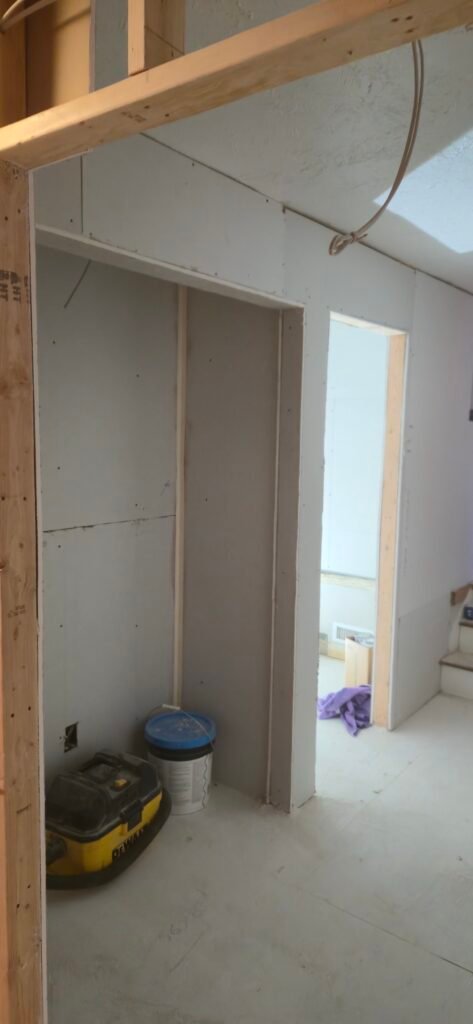
Common Drywall Problems in Northern Utah Homes and When to Repair Them


Drywall damage in Northern Utah homes can result from normal framing movement, moisture, impacts, or, less commonly, structural movement. Minor blemishes such as isolated nail pops may be cosmetic. New ceiling sagging, widening cracks, or damp drywall deserve prompt investigation so the underlying cause can be addressed before repairs are made. Identifying the cause of your wall defects helps you determine whether to handle the job yourself or call a professional repair service.
Why Northern Utah Homes Face Unique Drywall Stress
Living along the Wasatch Range exposes homes to notable seasonal extremes. In areas like Ogden, Layton, and Brigham City, summer temperatures regularly climb into the upper 90s with low humidity, while winters bring freezing conditions, snow, and heavy indoor heating demands. This ongoing swing expands and contracts wood framing, straining rigid drywall panels.
Ground conditions vary across Weber and Davis counties. Where soils expand, shrink, or settle, foundation movement can sometimes contribute to cracks around openings. However, drywall cracks alone do not establish a soil or foundation problem; their pattern, progression, and accompanying symptoms matter.
If a crack changes with the seasons, record its location and width with dated photographs. Seasonal movement can have several causes; recurring or widening cracks should be evaluated rather than attributed to soil conditions without inspection.
The Most Common Drywall Issues Along the Wasatch Front
Most interior wall problems fall into several distinct categories. Identifying the exact defect shows whether it is cosmetic or a sign of deeper movement.
Popped Nails and Screws
Small, circular bumps appear when framing studs shrink and push fasteners outward through the joint compound surface.
Stress and Settling Cracks
Diagonal lines extending from door corners and window frames caused by foundation settling or winter truss uplift.
Water Leaks and Stains
Yellowish rings, peeling paint, or softened gypsum from winter ice dams, roof leaks, or failing plumbing lines.
Impact Holes and Dents
Punctures from moving furniture, swinging doorknobs lacking stops, or heavy use in busy hallways and rental units.
Separating Drywall Tape and Seams
When dry winter air combines with forced-air heating, drywall compound can shrink and lose adhesion. This causes paper or fiberglass tape along wall and ceiling joints to buckle, ripple, or pull free in strips.
Ceiling Cracks, Truss Uplift, and Sagging
In some truss-framed homes, seasonal changes in roof-framing moisture can cause cracks where ceilings meet interior partitions; this is sometimes called truss uplift. It is not the same as a sagging ceiling. New or pronounced ceiling sagging warrants prompt professional evaluation, particularly when accompanied by moisture stains or loose panels.
When to Repair: Triage Guide for Homeowners and Landlords
Not every wall issue demands an immediate fix. Use this decision matrix to prioritize repairs based on severity and structural risk. For recurring cracks or water-damaged drywall, contact Hubbell Handyman & Hauling to discuss an assessment or call (385) 430-7420.
Step-by-Step: How Small Drywall Patches Are Done Right
Patching a hole from a doorknob or furniture impact is straightforward with the right sequence. Here is the process professional handymen use for durable, seamless results:
- Square the damaged area: Before cutting, identify possible electrical wiring, plumbing, and other hidden services; turn off relevant power where appropriate. Do not cut into a wall when the cavity cannot be assessed safely. Then trim the damaged area to a neat square or rectangle.
- Install solid backing: For holes larger than 2 inches, insert a wood backer strip inside the wall cavity and secure it through the sound drywall using drywall screws.
- Cut and fit the replacement piece: Cut a replacement piece to match the existing drywall thickness and any required fire-rated assembly. Garage-to-home separations and other rated walls may have specific material requirements; verify the applicable assembly before replacing panels.
- Apply mesh or paper tape: Bed paper tape in joint compound or apply fiberglass mesh tape along the seams. Skipping tape leads to perimeter cracking over time.
- Feather three thin coats of mud: Lay a base coat over the tape and let it dry. Follow with a wider second coat feathered 6 to 8 inches past the repair edges, then finish with a smooth skim coat.
- Match the wall texture: Utah homes often feature orange peel or knockdown textures. Replicating the surrounding pattern before priming ensures the patch blends cleanly.
- Prime before painting: Raw compound absorbs paint unevenly, causing noticeable flashing. Apply a dedicated primer to seal the patch before rolling final finish paint.
Costly Mistakes to Avoid on Utah Drywall Repairs
Not sure whether a crack is cosmetic? Read our guide to signs of more serious drywall damage before covering up recurring cracks or moisture stains.
Drywall finishing requires careful technique. Property owners and managers frequently encounter these avoidable mistakes:
- ❌ Painting directly over wet mud: Dry winter air can mask damp compound underneath. Applying paint over uncured mud seals in moisture, resulting in blistering and peeling. Confirm the mud is completely dry and chalk-white first.
- ❌ Ignoring the root cause of water damage: Patching drywall without resolving roof leaks, ice damming, or plumbing drips wastes time and materials. Always inspect and fix the leak source beforehand.
- ❌ Using spackle for large structural patches: Lightweight spackle shrinks significantly and lacks structural holding power. Use setting compound or taped joint compound on openings wider than a golf ball.
- ❌ Skipping texture blending: Painting flat over an untextured patch on a textured wall leaves an obvious outline. Blending texture past the patch perimeter conceals the repair boundary.
When to Hire a Local Handyman Service
While small nail holes are simple DIY tasks, many situations warrant professional help. For related projects, see our Northern Utah home repair guide. Consider hiring a professional under these circumstances:
- ⭐ Rental property turns: Preparing rental units in Roy, Clinton, or Riverdale requires fast, clean repairs on walls, trim, and paint so the home is quickly ready for new tenants.
- ⭐ High-ceiling repairs: Patching vaulted spaces in entryways or great rooms requires scaffolding, staging, and overhead finishing tools that are difficult to manage safely on standard ladders.
- ⭐ Complex texture matching: Blending knockdown, skip-trowel, or acoustic textures invisibly demands specialized tools and experience.
- ⭐ Water damage remediation: When supply lines burst or ice dams leak, technicians remove wet drywall, assess structural framing, and restore insulation, wallboard, and paint.
Frequently Asked Questions
Why do my drywall seams crack again every winter?
Seasonal framing movement, humidity changes, and truss uplift are possible causes, but they cannot be diagnosed from a crack alone. A qualified contractor can assess the framing and recommend a repair detail suited to the existing ceiling assembly; avoid changing structural connections or fastener patterns based only on a general rule.
Can I just caulk over cracks in my drywall?
Flexible paintable caulk can serve as a temporary touch-up along inside corners that experience seasonal shifts. However, caulk on flat wall seams will not hold and looks noticeable. Flat surfaces need proper tape, joint compound, matching texture, and paint.
How do I know if a crack indicates foundation trouble?
Small hairline cracks can have several causes and do not, by themselves, diagnose foundation movement. Warning signs of serious movement include diagonal cracks wider than 1/4 inch, stair-step cracks in nearby exterior masonry, doors that stick or swing open unassisted, and sloping floors. These conditions warrant an evaluation by a structural specialist.
Get Reliable Drywall and Home Repairs in Northern Utah
Whether dealing with tenant move-out repairs, cracked ceiling seams, or past water leaks, Hubbell Handyman & Hauling provides dependable drywall repair, trim installation, painting, and maintenance across Weber County, Davis County, and nearby communities.
Contact Hubbell Handyman & Hauling today to discuss your repair project and request an estimate.