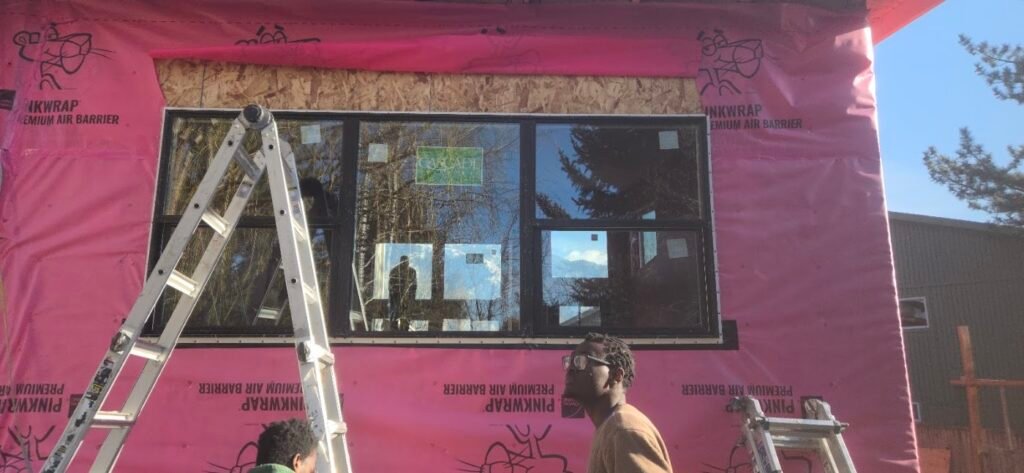
Door and Window Repairs That Help Cut Energy Bills in Northern Utah

Drafts around exterior doors and windows can make a Northern Utah home uncomfortable in winter and summer. Worn weatherstripping, a loose door sweep, or a poorly closing sash may allow outdoor air to enter. The good news is that some problems can be repaired without replacing an entire door or window. The right fix depends on where the air is moving, the condition of the frame, and whether water damage is present.
For homeowners in Ogden, Riverdale, Roy, Layton, Farmington, and nearby Weber and Davis County communities, a seasonal check before cold weather is a practical place to start. This guide focuses specifically on draft reduction and energy-related repairs. For a broader look at sticking doors, broken screens, and hardware issues, see our guide to common door and window problems.
Which Door and Window Repairs Can Reduce Drafts?
Start with the gaps where outdoor air can actually pass through. Replacing damaged seals, improving how a door closes, and repairing failed caulk at appropriate joints can help reduce air leakage. The size of any energy savings depends on the home, the original leak, and the quality of the repair. No individual repair guarantees a particular reduction in utility bills.
- Worn door weatherstripping: Replace flattened, torn, or missing seals with material compatible with the door and frame.
- Gaps beneath an exterior door: Check the sweep, threshold, and door alignment; adjust or replace components as appropriate.
- Windows that do not close completely: Check sash locks, tracks, and operating hardware before assuming the entire window needs replacement.
- Cracked exterior sealant: Repair failed sealant joints where they are intended to be sealed, while keeping designed drainage openings clear.
- Damaged frames or trim: Investigate the source of moisture before covering damage with caulk or paint.
How to Recognize a Draft Without Guessing at the Cause
On a windy day, feel around a closed door or window for moving air. Look for daylight around door edges, compressed or missing seals, loose sweeps, and sashes that do not latch fully. A visible gap is worth investigating, but a cold glass surface alone does not prove an air leak. Glass can feel cold because heat transfers through it even when the window is closed properly. When temperatures drop, these cold-weather draft fixes are a good place to start.
For hard-to-locate leaks, a professional energy assessment can help identify where the building envelope is losing air. Avoid using candles or incense around curtains, window coverings, or other combustible materials. Do not block intentional ventilation or drainage openings in an attempt to make everything airtight.
Door Repairs Worth Checking Before Winter
Weatherstripping around the jamb
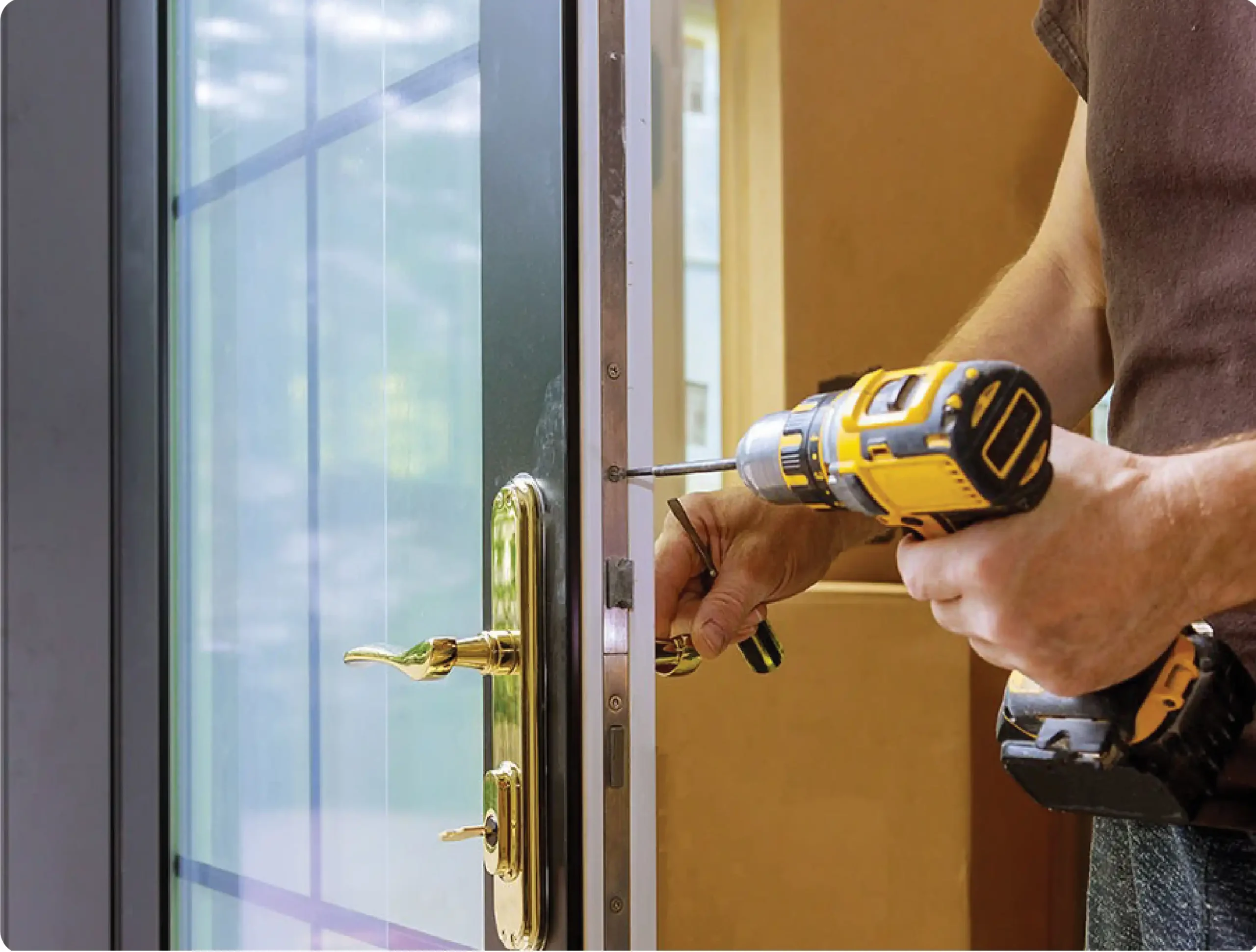
Door weatherstripping must contact the closed door without preventing the latch from engaging. A replacement seal that is too thick can make a door difficult to close, while one that is too thin may leave gaps. Check the profile and attachment method before choosing a replacement. If the door also needs adjustment or new hardware, see our window and door services or call (385) 430-7420 to discuss the repair.
Door sweeps and thresholds
At the bottom of the door, inspect the sweep for tears or uneven contact. Some thresholds are adjustable; others require a different sweep or replacement parts. The goal is a consistent seal that still allows the door to operate smoothly and safely. An exterior door should never need to be forced shut after a repair.
Hinges, latches, and alignment
A sagging door may not compress its weatherstripping evenly. Tightening loose hardware or correcting minor alignment issues may improve the seal. If the frame has shifted significantly, cracks are growing around the opening, or the door suddenly binds, the cause should be assessed before trimming or moving parts.
Window Repairs That May Improve Comfort
Windows can leak air at the moving sash, where the frame meets surrounding materials, or through deteriorated seals. Cleaning a track and replacing appropriate weather seals may help a window close as designed. Loose sash locks and worn operating hardware can also prevent a tight closure.
Exterior caulk deserves a careful inspection, especially where trim meets the wall. However, caulk is not a substitute for proper flashing or water management. Some window assemblies have weep holes and other designed drainage paths that must remain open. If staining, soft wood, or recurring leaks are present, find the water source before making cosmetic repairs.
Fogging between panes of insulated glass often indicates a failed glass-unit seal. Replacing weatherstripping or caulking the outer trim will not restore the sealed space between panes. Depending on the window, replacing the insulated glass unit may be an option without replacing the whole frame.
Repair or Replace? A Practical Comparison
| Condition | Reasonable next step |
|---|---|
| Worn weatherstripping or sweep | Check fit and replace the affected seal or sweep. |
| Door or window will not latch properly | Inspect hardware and alignment; investigate significant movement. |
| Cracked exterior caulk | Determine whether the joint should be sealed and use a compatible exterior sealant. |
| Fog trapped between glass panes | Ask whether insulated-glass replacement is available for that model. |
| Recurring water intrusion or extensive rot | Investigate water entry and assess the frame before choosing repair or replacement. |
A modest seal or hardware repair can be worthwhile when the frame and door or window remain sound. Replacement may make more sense when the assembly is extensively deteriorated, cannot operate safely, or repeatedly fails despite appropriate repairs. Compare the full scope of work rather than relying on promises of a quick payback.
Northern Utah Seasonal Checklist
Before colder weather arrives in communities such as South Ogden, Clearfield, Syracuse, and Bountiful, check exterior openings during a routine home-maintenance walk-through:
- Close and latch every exterior door and operable window; note any that stick or leave visible gaps.
- Inspect weatherstripping, sweeps, and thresholds for wear.
- Look for cracked caulk, peeling paint, soft trim, or moisture staining.
- Keep window drainage openings and tracks free of debris.
- Photograph recurring gaps or cracks so changes can be compared over time.
- Prioritize active leaks and damaged frames before cosmetic painting.
For other seasonal tasks, use our fall home-maintenance checklist for Ogden and Weber County.
Frequently Asked Questions
Will new weatherstripping lower my heating bill?
It may reduce unwanted air leakage and improve comfort when worn seals are the cause of a draft. Actual savings vary, so avoid assuming a specific percentage or dollar amount.
Should I caulk every gap around a window?
No. Some openings are part of the window’s drainage design. Identify the joint and follow the product’s installation guidance rather than sealing everything indiscriminately.
Does fog between window panes mean I need all new windows?
Not always. The insulated glass unit may be replaceable, depending on the frame and available parts.
When should I call a professional?
Get help when a door will not close securely, the frame is damaged, water keeps entering, or you cannot identify the source of a draft. Major movement or structural concerns may require a specialist.
Door and Window Repair Help in Weber and Davis Counties
Hubbell Handyman & Hauling helps Northern Utah homeowners address practical door and window issues, from weatherstripping and hardware to trim and related repairs. Learn more about our window and door services, or contact us to discuss an inspection and repair estimate. We can help you decide whether a targeted repair is appropriate or whether a more extensive evaluation is needed.