
Property Maintenance Tips for Second Homes in Park City

Maintaining a second home in Park City requires protecting your property against harsh alpine freeze-thaw cycles, heavy snowfall, and extended vacancy. By setting up seasonal winterization checklists, installing remote temperature monitors, and keeping up with exterior envelope repairs, you can spot warning signs early and reduce the risk of frozen pipes and water damage while you are away.
Why High-Altitude Properties Demand Unique Care
At around 7,000 feet in Park City, freeze-thaw cycles, snow accumulation, and dry indoor air make seasonal checks worthwhile. Start with the parts of your home that have caused trouble before, such as a cold garage wall or a window well that collects runoff.
When a mountain home sits unoccupied, small issues compound quickly. For help planning preventive repairs, contact Hubbell Handyman & Hauling or call (385) 430-7420 to discuss your Park City property. Ice dams can form when snow melts on a warmer part of the roof and refreezes at a colder edge. If your furnace fails while you are away, pipes in exterior walls or unheated spaces are especially vulnerable.
Primary Environmental Threats to Park City Homes
- Extreme Freeze-Thaw Stress: Daily winter temperature swings cause building materials to expand and contract repeatedly, degrading exterior caulk, mortar joints, and roof flashing.
- Snowpack and Ice Damming: Heavy mountain snow insulates rooftops, while escaping interior heat melts snow that refreezes along cold eaves, backing water up under shingles.
- Dry High-Altitude Air: Low interior humidity during winter heating cycles draws moisture from architectural woodwork, producing cracked trim, shrinking baseboards, and separated flooring planks.
- Prolonged Vacancy: Hidden mechanical breakdowns, small rodent intrusions, and minor plumbing leaks go unaddressed without scheduled visual inspections.
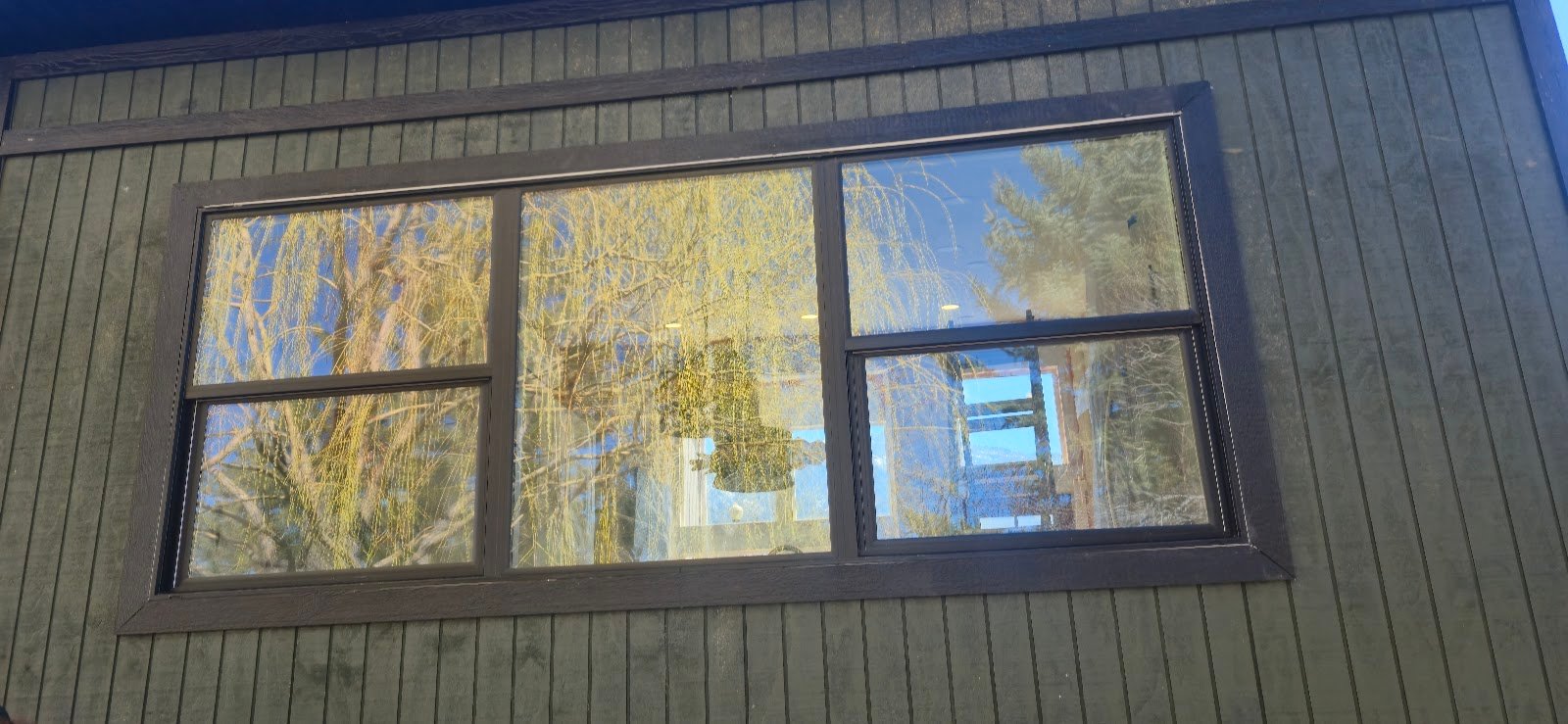
The featured photo shows siding and windows from a Hubbell project in Sandy, Utah.
Seasonal Exterior Upkeep: Protecting the Building Envelope
Your exterior envelope serves as the primary barrier against high-elevation weather. Inspecting and maintaining these surfaces twice a year—once in late spring after snowmelt and once in autumn prior to early snowstorms—averts costly moisture damage and protects building structural integrity.
Roof & Gutters
From the ground, look for sagging gutters, loose flashing, and recurring ice buildup. Have a roofing professional inspect areas that require roof access.
Siding & Trim
Reseal joints around windows and exterior doors using elastomeric caulk. Check cedar, composite siding, and stonework for signs of moisture retention.
Decks & Railings
Confirm deck boards and ledger attachments are structurally sound. Reapply protective sealant to prevent meltwater from freezing inside grain patterns and splitting timber.
Pay special attention to decks, pergolas, and structural timber components. Look for soft boards, loose railings, displaced posts, and staining where the deck meets the house. Keep people off a deck that has shifted or feels unstable and have it evaluated before using it again.
Interior Mechanicals, Plumbing, and Freeze Defense
Plumbing integrity represents your greatest operational risk during cold months. Whether you leave the property unoccupied between ski trips or through the shoulder season, active freeze-prevention steps protect against extensive water losses.
Ask a plumber which water shutoff and winterization steps fit your home, especially if it has fire sprinklers, hydronic heating, or equipment that needs a water supply. Locate and label the domestic shutoff before an emergency. Disconnect outdoor hoses before freezing weather.
Smart Upgrades for Remote Management
Modern sensors and automated controls deliver real-time operational status to your smartphone while you reside at your primary home:
- Smart Thermostats with Low-Temp Alerts: Set instant automated alerts to your mobile device if indoor temperatures fall below 50°F.
- Automated Water Shutoff Valves: Install motorized valves on main supply lines that register abnormal continuous water flow and isolate supply lines immediately.
- Wi-Fi Freeze and Leak Detectors: Mount wireless moisture sensors beneath kitchen sinks, behind toilets, around water heaters, and beside mechanical drainage basins.
- Battery Backup on Mechanical Pumps: Protect finished basement levels against sudden snowmelt intrusion during local power outages.
Checklist: Step-by-Step Vacancy Routine
Establish a standard checklist whenever leaving the property. Whether departing for a couple of weeks or several months, adhering to a defined procedure ensures critical systems remain protected.
Common Second-Home Mistakes and How to Avoid Them
Even experienced property owners encounter missteps when managing homes in high alpine microclimates. Avoiding these frequent oversights protects your investment year-round:
1. Over-relying on automated smart tech without boots on the ground: Smart home devices are valuable tools, yet they depend on continuous power and Wi-Fi networks. Mountain storms routinely disrupt utilities. Retaining a local handyman, caretaker, or property manager to conduct regular walkthroughs ensures physical issues like frozen roof valleys, stuck windows, or animal activity are caught immediately.
2. Postponing small drywall and tile repairs: Hairline stress cracks, degrading grout, and separated caulk might look purely aesthetic. In an arid climate experiencing rapid seasonal shifts, moisture travels quickly through unsealed seams. Water penetrating behind tiled surfaces or beneath luxury vinyl flooring triggers subfloor rot and mold growth.
3. Ignoring grading and spring runoff paths: After snowmelt, look for standing water at window wells and downspout outlets. Keep drainage paths clear and route roof runoff away from the foundation without directing it onto a neighbor’s property or across a walkway.
When to Call a Professional Handyman
While second-home owners can manage basic winterization steps and remote monitoring, certain structural and envelope tasks require professional tools and local experience:
- Water-Damage Remediation and Drywall Repair: When leaks or ice dams cause ceiling staining, a qualified professional should identify the moisture source and assess affected materials before repair. See our drywall repair services for finish repairs after the cause is addressed.
- Door and Window Adjustments: Structural settling and framing expansion cause doors to stick, preventing weatherstripping from seating cleanly and creating cold air drafts. Learn about our window and door services.
- Deck, Handrail, and Pergola Maintenance: Replacing damaged boards, resetting shifting stairs, tightening lag connections, and reapplying exterior sealants before heavy snow loads accumulate.
- Interior Finish Carpentry: Repairing cracked millwork, adjusting misaligned doors, and fixing loose hardware affected by low high-altitude indoor humidity.
- Post-Tenant or Rental Turnover Repairs: For vacation properties in short-term rental programs, rapid maintenance between bookings protects guest reviews and prevents minor wear from becoming major damage.
Frequently Asked Questions
Should I turn off my main water valve if I leave my home for just a weekend?
A domestic water shutoff can limit damage from a supply leak while you are away. Ask a plumber which valve serves the fixtures and whether shutting it affects any system that needs to stay on.
How often should heat tape on the roof be checked?
Review the cable manufacturer’s maintenance instructions before winter. If a cable looks damaged or a breaker repeatedly trips, leave it off and arrange an inspection by a qualified professional.
What is the ideal indoor humidity level during Park City winters?
Watch how your home responds in cold weather. Persistent condensation on windows is a sign to review indoor moisture and ventilation. For wood flooring and trim, follow the manufacturer’s guidance for your materials.
Keep Your Mountain Property in Peak Condition
Whether you need seasonal repairs, deck maintenance, drywall patching, or rental turnover fixes, ask Hubbell Handyman & Hauling about availability for your Park City property. Contact Hubbell Handyman & Hauling to request an estimate, or call (385) 430-7420 to discuss repairs for your Park City home.